Mongolia Travel Information
Useful Mongolia travel tips, destination guides, local culture, weather and practical information.
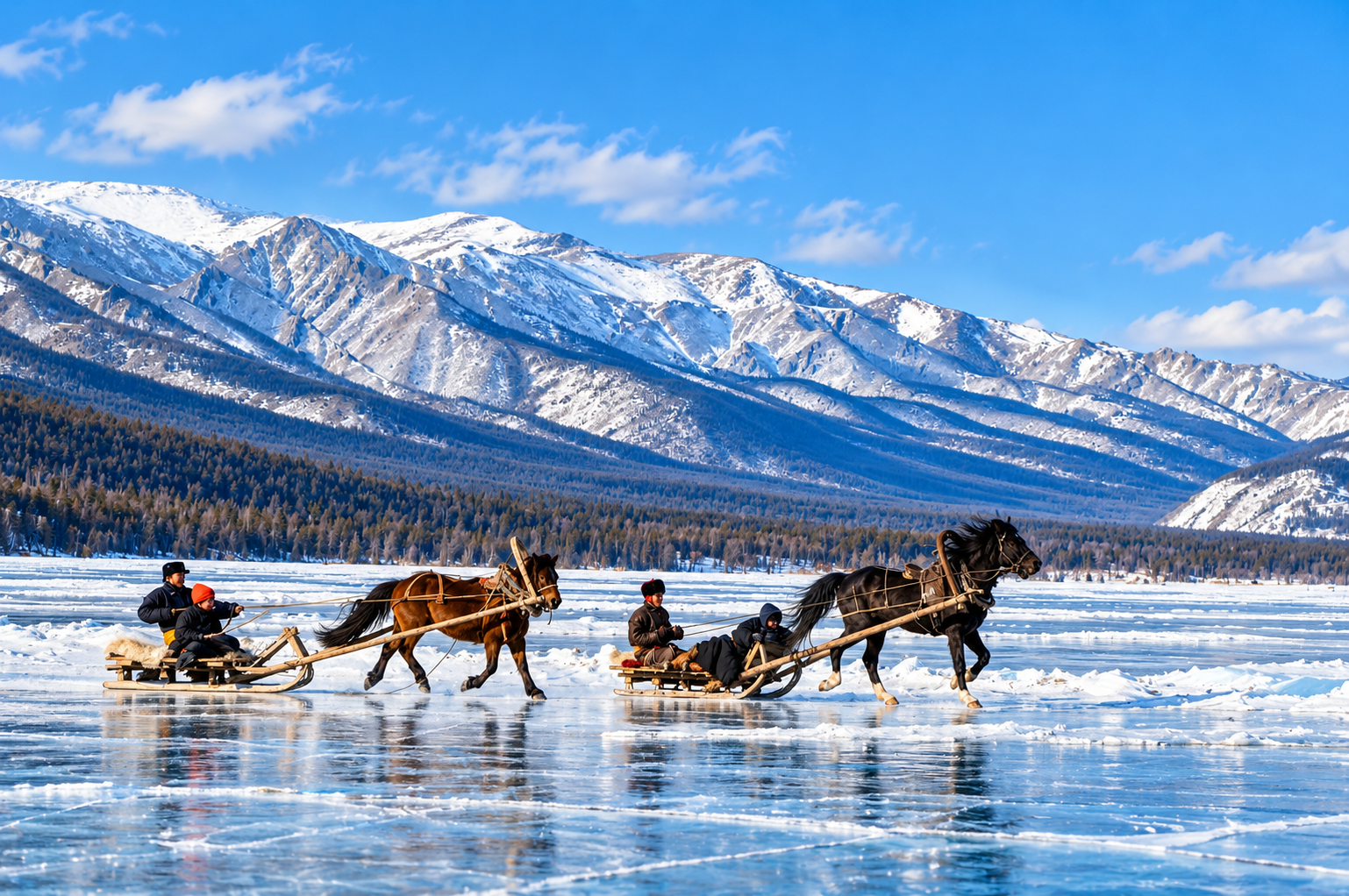
Mongolia Winter Travel Guide 2026–2027: Discover the Magic of Mongolia in Winter
Mongolia is one of the world's most extraordinary winter travel destinations, offering endless snow-covered steppes, frozen lakes, majestic mountains, peaceful forests, and unforgettable cultural experiences. While Mongolia is famous for its summer grasslands and traditional nomadic lifestyle, winter reveals an entirely different side of this beautiful country.
Read More
Mongolian Ger Accommodation – From Nomadic Gers to Modern Upgraded Gers
One of the things many travelers are curious about when planning a trip to Mongolia is Mongolian ger accommodation. Staying in a ger surrounded by the vast Mongolian steppe or the landscapes of the Gobi Desert is one of the most unique experiences of traveling in Mongolia.
Read More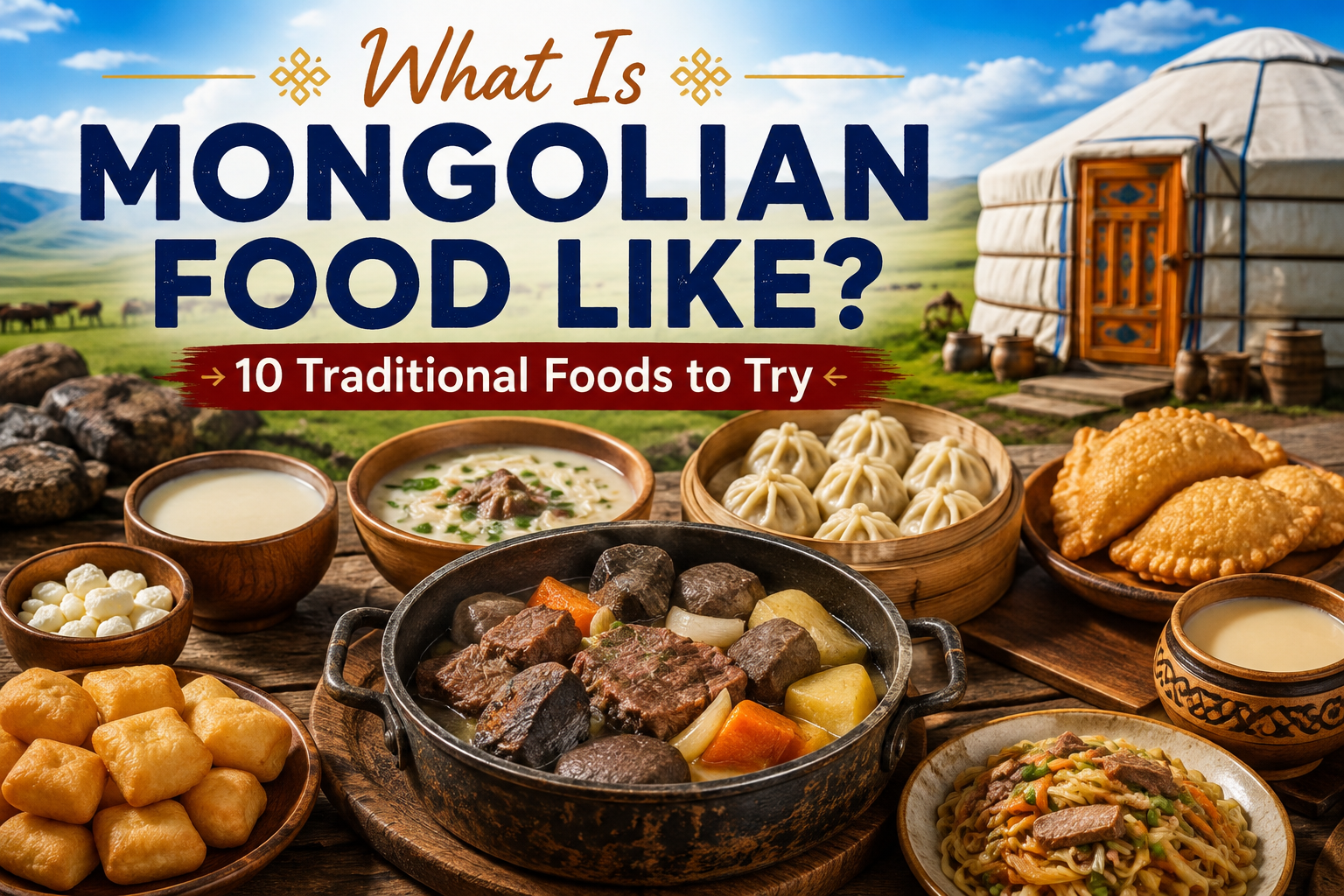
What Is Mongolian Food Like? – 10 Traditional Foods to Try
Mongolian food is closely connected to the country’s history, climate, and nomadic way of life. For centuries, Mongolian families have lived in a land of vast grasslands, cold winters, and long distances between settlements. Livestock such as sheep, goats, cattle, horses, and camels have therefore played an important role in everyday life.
Read More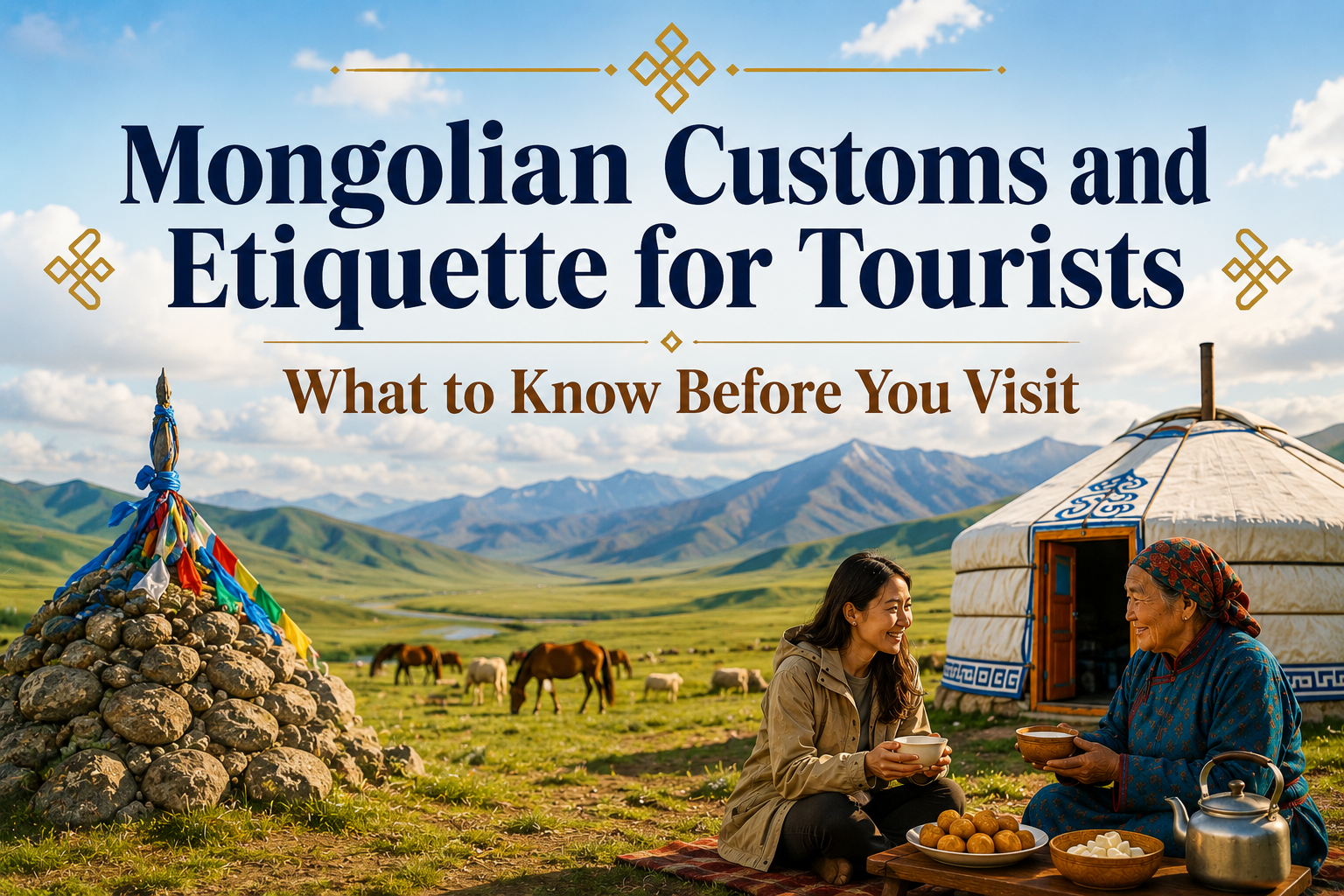
Mongolian Customs and Etiquette for Tourists – What to Know Before You Visit
Mongolia is famous for its vast landscapes, nomadic traditions, and unique way of life. For international travelers, learning a few basic customs before arriving can make the journey more comfortable and help create respectful, positive interactions with local people.
Read More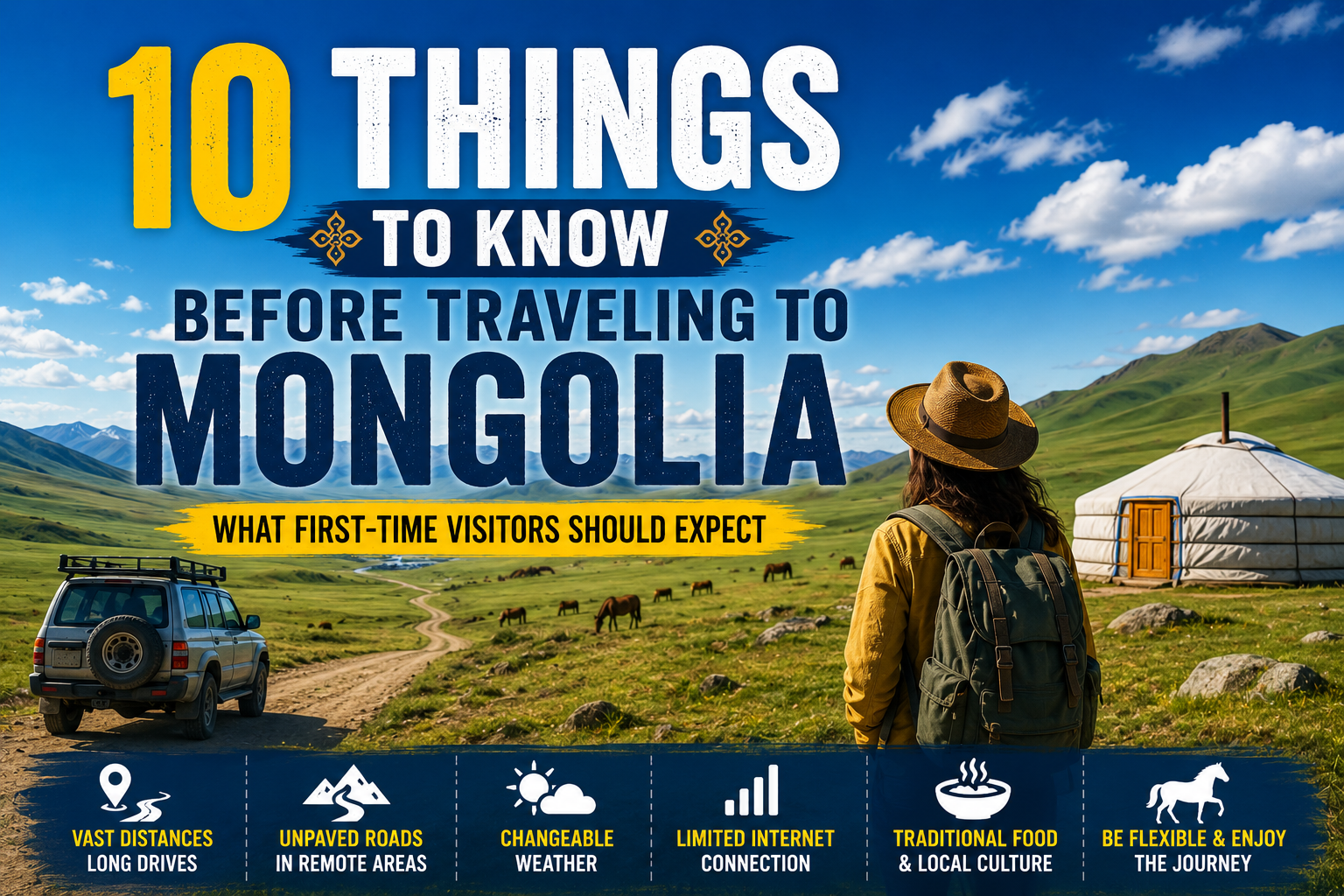
10 Things to Know Before Traveling to Mongolia – What First-Time Visitors Should Expect
When planning a trip to Mongolia, most travelers first search for famous destinations such as the Gobi Desert, Terelj National Park, Khuvsgul Lake, or activities like horseback riding. But once you arrive in Mongolia, you may notice many things that you did not expect. Why are travel distances so long? Why should you bring warm clothes even in summer? Why are there so few fences across the grasslands? And why can your mobile signal suddenly disappear once you leave the city? Here are 10 things worth knowing about Mongolian people before traveling to Mongolia.
Read More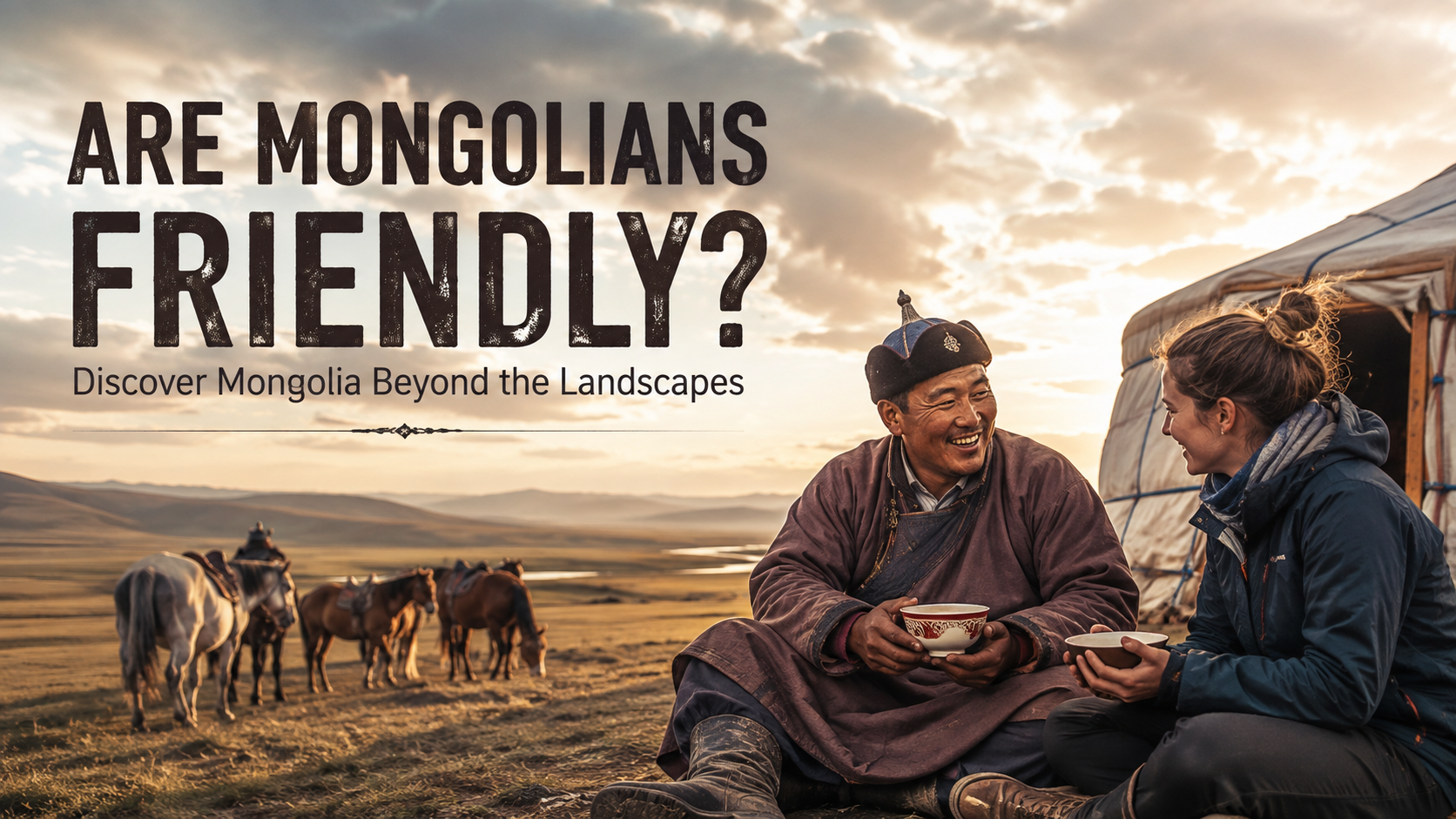
Are Mongolians Friendly to Foreign Tourists? A Guide to Mongolian People and Hospitality
Mongolia is famous for its endless steppe, the Gobi Desert, nomadic lifestyle, horses, and the legacy of Chinggis Khaan. But for many travelers, one of the most memorable parts of visiting Mongolia is not only the landscape — it is meeting the people. So, what are Mongolian people really like? Are Mongolians friendly to foreign tourists? And what should you know about Mongolian culture before visiting?
Read More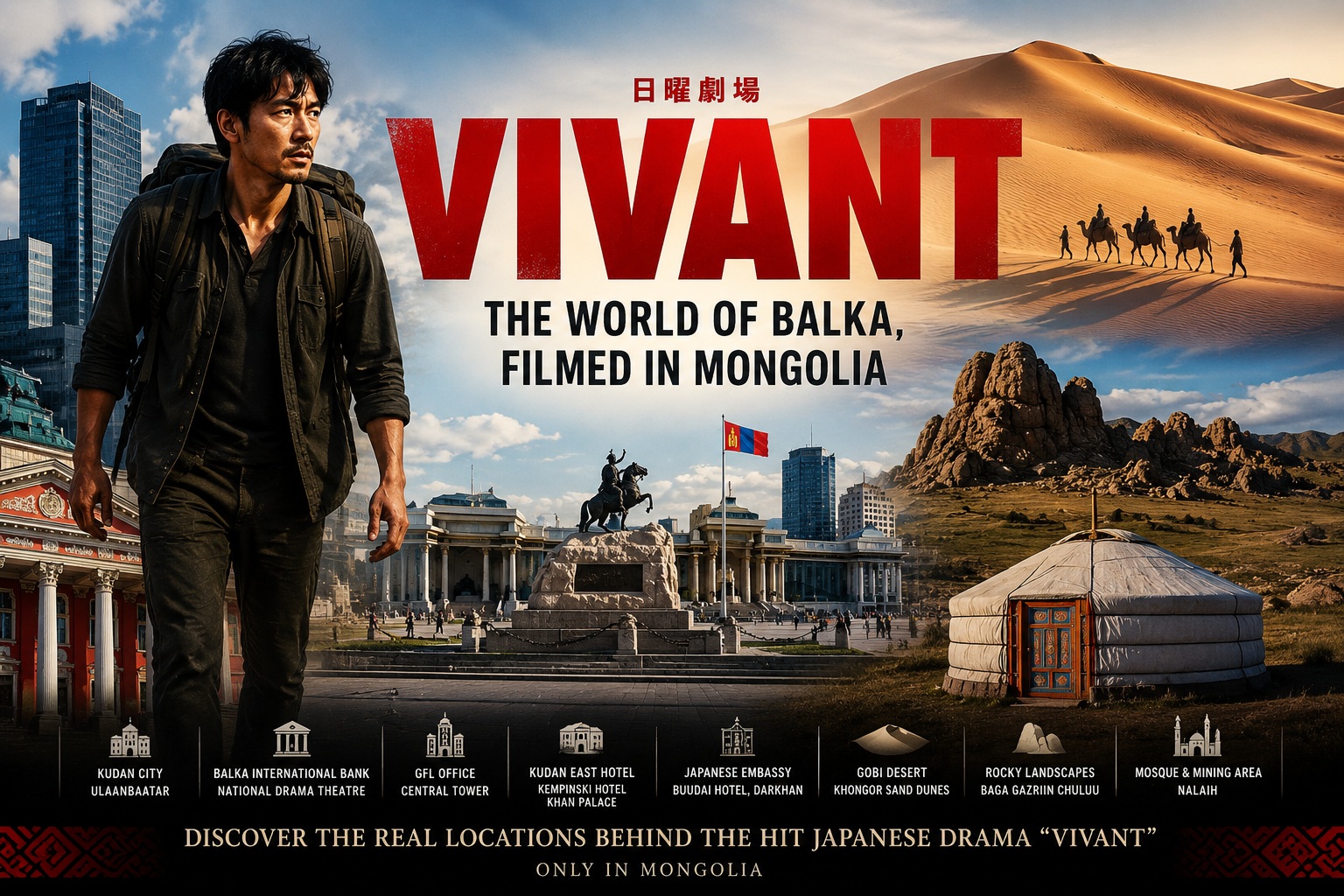
“VIVANT” Filming Locations in Mongolia: Discover the Real World Behind Balk
One of the most memorable aspects of TBS’s hit Japanese drama “VIVANT” is its breathtaking scenery — endless open landscapes, dramatic rocky formations, vast deserts, and distinctive cityscapes. But did you know that many of the spectacular places seen in “VIVANT” are actually located in Mongolia?
Read More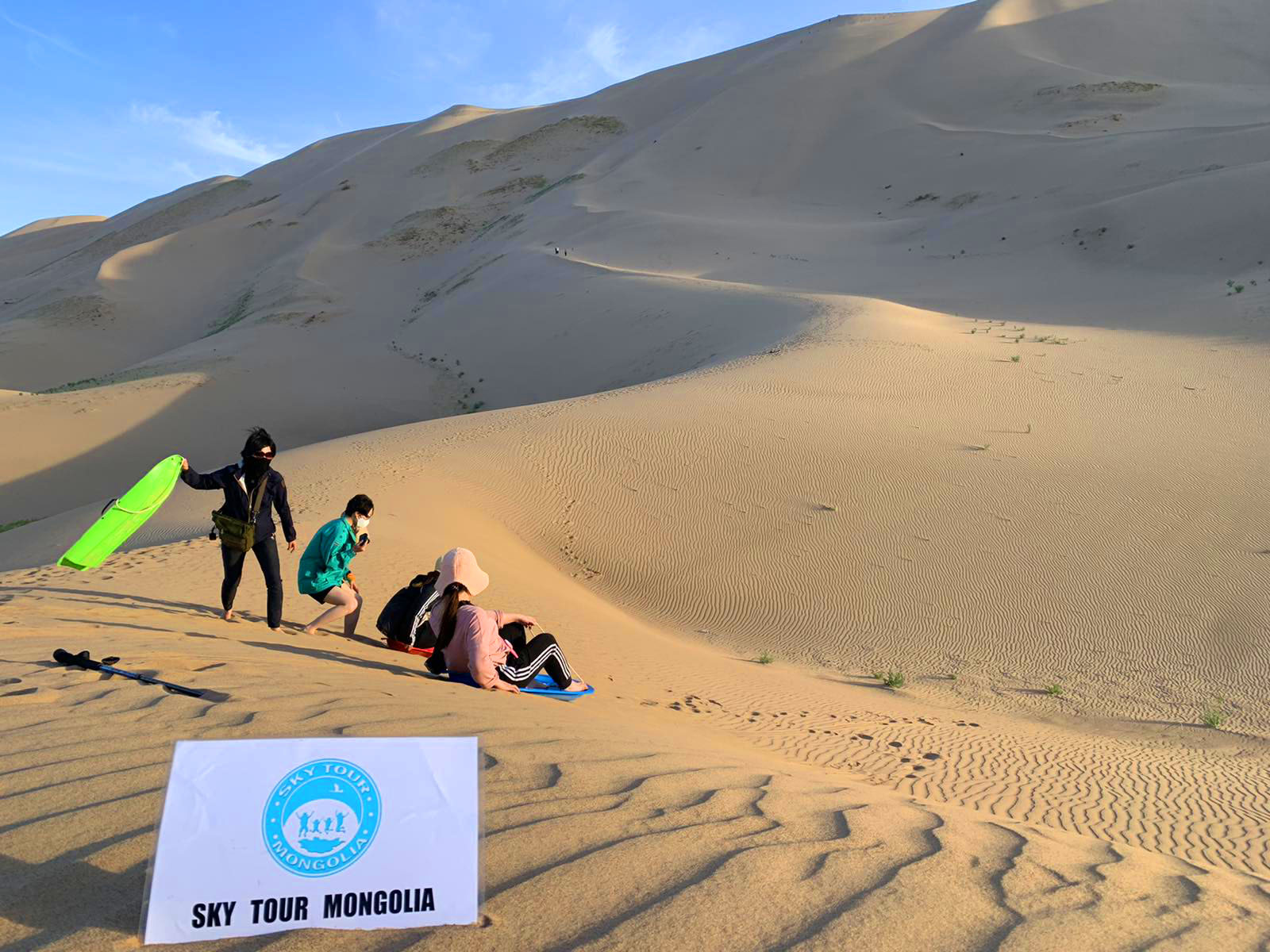
Khongoriin Els – The Majestic Sand Dunes of Mongolia's Gobi Desert
Khongoryn Els is one of the most spectacular destinations in southern Mongolia's Gobi Desert and one of the best places to experience Mongolia's magnificent sand dunes. The enormous dunes stretch across the vast Gobi landscape, surrounded by open grasslands and mountains. This remarkable combination creates one of the most iconic landscapes of the Mongolian Gobi Desert.
Read More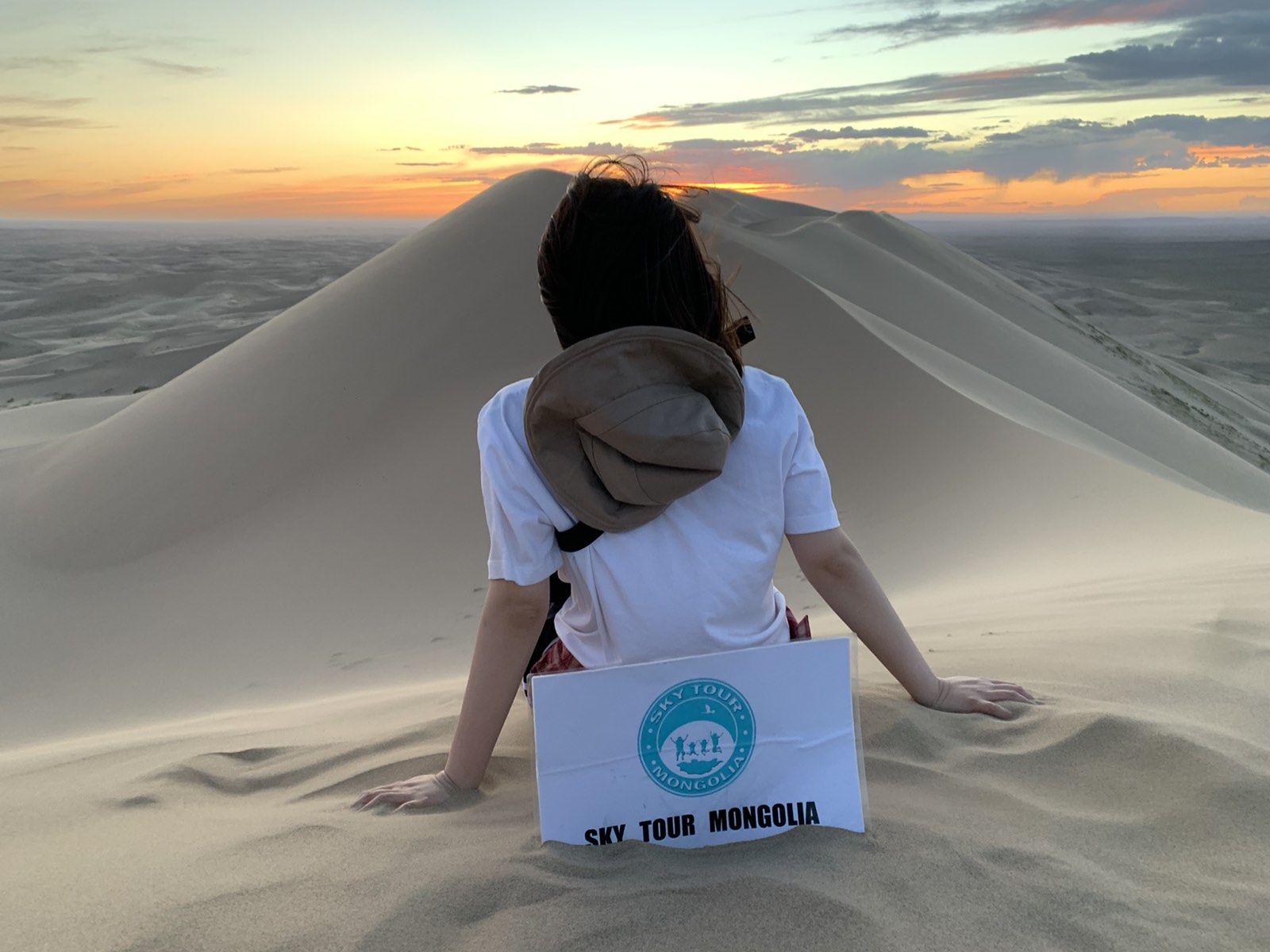
Complete Guide to Southern Mongolia & the Gobi Desert | Recommended Gobi Desert Tours and Must-Visit Destinations
If you are planning a trip to Mongolia, one destination you should not miss is the Gobi Desert. Endless steppes, vast desert landscapes, towering sand dunes, red cliffs, and dramatic canyons come together to create an extraordinary variety of scenery in a single journey. The Gobi Desert is much more than an endless stretch of sand. Across the vast landscapes of southern Mongolia, you will find grasslands, rocky mountains, deep valleys, impressive sand dunes, and traditional nomadic communities. It is one of the best places to experience both Mongolia's spectacular nature and its centuries-old nomadic culture.
Read More