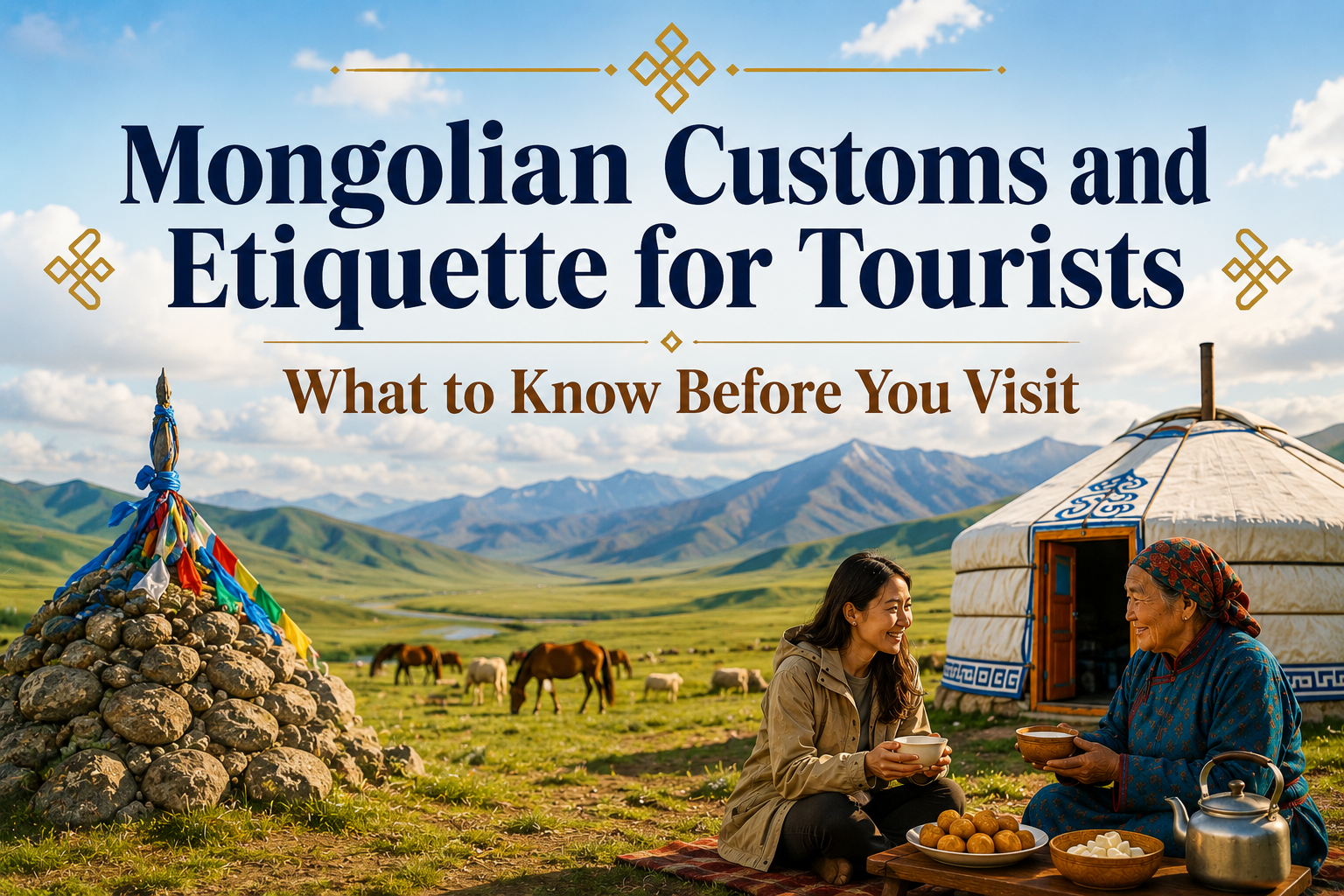
Mongolian Customs and Etiquette for Tourists – What to Know Before You Visit
Mongolia is famous for its vast landscapes, nomadic traditions, and unique way of life. For international travelers, learning a few basic customs before arriving can make the journey more comfortable and help create respectful, positive interactions with local people.
You do not need to memorize every Mongolian tradition. Most people understand that foreign visitors may not be familiar with local customs. However, knowing a few simple rules can help you avoid awkward situations and better understand the culture you are experiencing.
Here are some of the most useful Mongolian customs and etiquette tips for tourists.
1. Respect the Threshold When Entering a Ger
A traditional Mongolian ger is not simply an attraction — for many families, it is their home.
When entering a ger, try not to step directly on the wooden threshold. Step over it instead.
Once inside, wait for your host or guide to show you where to sit rather than immediately choosing a place yourself.
If you are visiting a nomadic family with a local guide, your guide can help explain the appropriate customs and make the visit feel natural.

2. Accept Food and Drinks Politely
When visiting a Mongolian home, your host may offer you tea, dairy products, snacks, or other food.
You do not necessarily have to eat a large amount of everything offered. However, accepting something politely or at least showing appreciation is a good way to respect the host's hospitality.
In rural Mongolia, sharing food with visitors has long been part of welcoming guests into the home.
A simple smile and a “Bayarlalaa” (Thank you) can go a long way.
3. Ask Before Photographing People
Mongolia offers countless opportunities for beautiful photographs, particularly when visiting the countryside.
However, a nomadic family's home and everyday life should not automatically be treated as a photo opportunity.
Before taking close-up photographs of people, especially elderly people or children, it is polite to ask permission.
The same applies when photographing the inside of someone's ger or personal belongings.
Landscape photography is generally straightforward, but when people become the main subject, asking first is the respectful choice.

4. Do Not Touch Someone's Head Without Permission
Avoid casually touching another person's head, particularly that of an adult or elderly person.
Even if the gesture may seem harmless in your own culture, it can feel inappropriate or overly familiar.
With children, cultural expectations can vary, so the safest approach for travelers is simply to respect personal space.
5. Show Respect to Older People
Respect for elders remains an important part of Mongolian culture.
You may notice this during family gatherings, traditional celebrations, and particularly during Tsagaan Sar, the Mongolian Lunar New Year.
Travelers are not expected to know complicated traditional greetings or ceremonial rules.
Simply being polite, listening to your hosts, and following the example of your local guide is usually enough.
6. Be Respectful Around Religious and Sacred Places
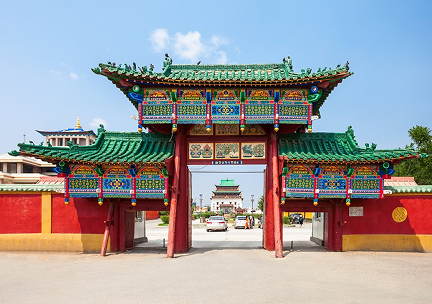
Mongolia has many Buddhist monasteries, temples, ovoos, statues, and other places with religious or cultural significance.
When visiting a monastery or temple, avoid speaking loudly or behaving in a way that may disturb people who are praying.
Some areas may have restrictions on photography, so check before taking pictures inside temples.
You may also see ovoos, traditional stone cairns found throughout Mongolia, particularly near mountain passes and roads.
Treat these places respectfully rather than climbing on them or moving stones simply for photographs.

7. Respect Animals and Livestock
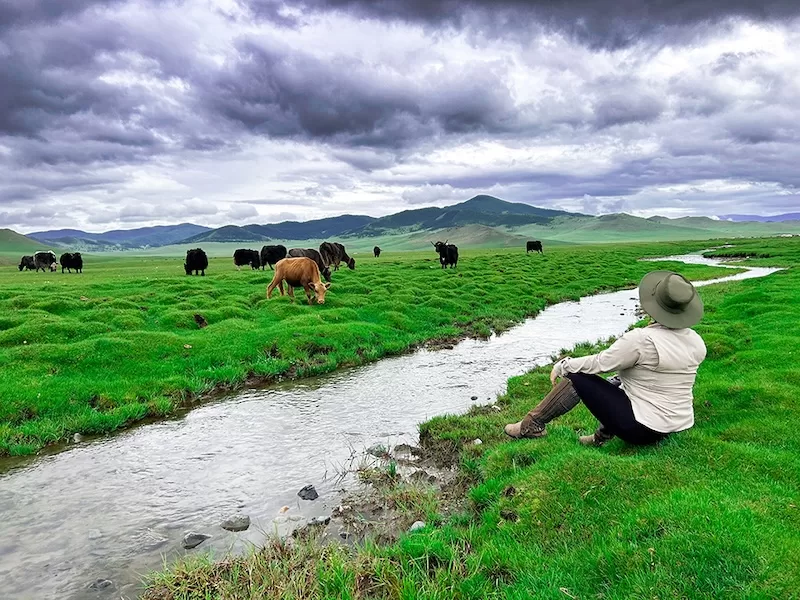
Horses, sheep, goats, cattle, yaks, and camels are an everyday part of life in many parts of Mongolia.
They may look like an irresistible photo opportunity, but remember that these animals belong to local families and are part of their livelihood.
Do not chase animals for photographs or approach unfamiliar horses without guidance.
When participating in horse or camel riding, listen carefully to the instructions provided by your guide or handler.
8. Do Not Treat the Steppe as Empty Land
One of the most striking things about Mongolia is the enormous amount of open space.
To a visitor, a landscape may appear completely empty.
But what looks like untouched wilderness may actually be grazing land used by a local herding family.
Avoid leaving rubbish, disturbing livestock, damaging vegetation, or driving unnecessarily across sensitive areas.
A useful principle is simple:
Leave the landscape as you found it.
9. Be Patient With Different Ideas of Time and Distance
Travel in rural Mongolia can work differently from travel in highly urbanized destinations.
Distances are long, road conditions vary, weather can change quickly, and livestock may occasionally cross your route.
A journey that looks simple on a map can therefore take longer than expected.
Rather than becoming frustrated by every delay, allow some flexibility in your schedule.
Sometimes an unexpected stop in the middle of the steppe becomes one of the most memorable moments of the trip.
10. Follow Your Local Guide When You Are Unsure
You are not expected to understand every Mongolian custom before arriving.
When visiting a nomadic family, monastery, local festival, or traditional event, simply watch what your guide and local people do.
If you are unsure whether you should remove something, accept something, take a photograph, or enter a particular area, ask.
Most cultural misunderstandings can be avoided with one simple approach:
Observe, ask, and be respectful.
You Don't Need to Know Every Rule to Enjoy Mongolia
Traveling respectfully in Mongolia does not mean memorizing a long list of complicated rules.
Being polite, respecting people's homes and personal space, asking before photographing people, protecting nature, and listening to local advice will take you a long way.
Learning about these customs can also make your trip more interesting.
Instead of simply seeing the Gobi Desert, Terelj, Khuvsgul Lake, or the Mongolian steppe, you begin to understand how people live within these landscapes and why certain traditions continue today.
That deeper cultural experience is one of the things that makes traveling in Mongolia unique.
Recommended Mongolia Tours
Central Mongolia – 4 Nights / 5 Days
Gobi Desert & Terelj – 5 Nights / 6 Days
Khuvsgul Lake, Central & Northern Mongolia – 6 Nights / 7 Days