Tsagaan Suvarga (White Stupa)
Tsagaan Suvarga (White Stupa)
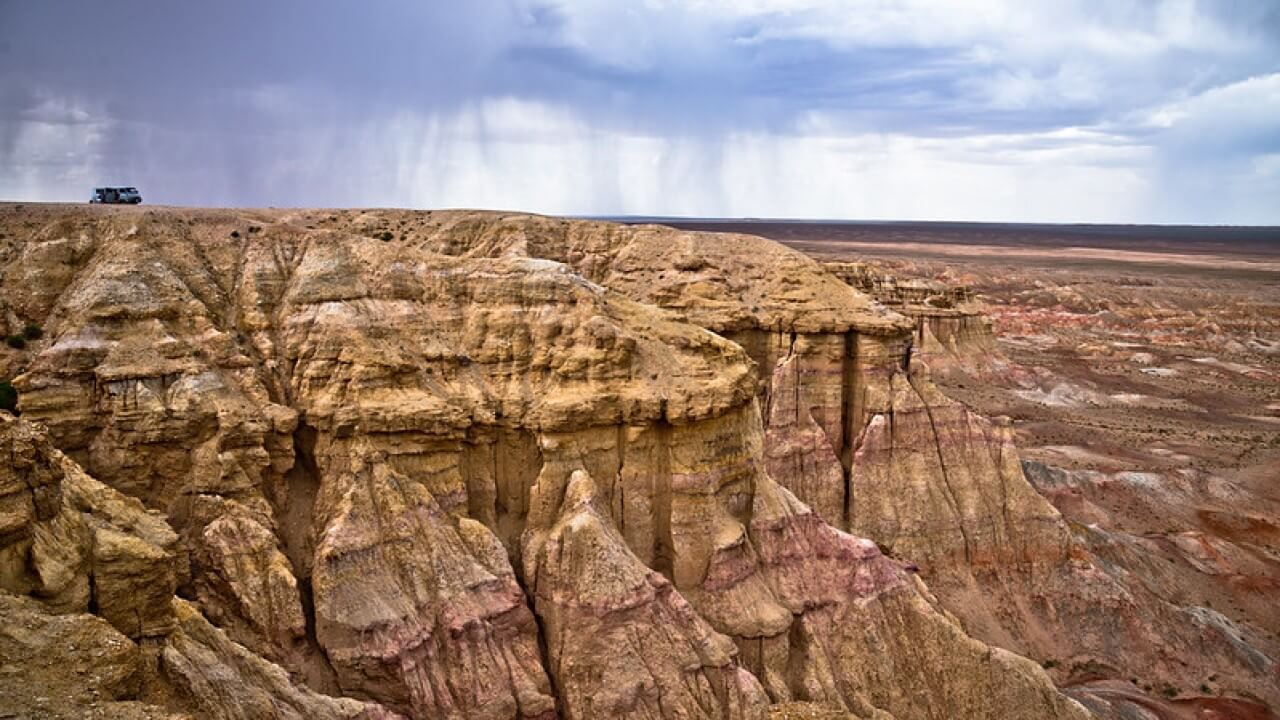
Tsagaan Suvarga, also known as the White Stupa, is one of the most spectacular natural landmarks in Mongolia's South Gobi Desert. Formed over millions of years by tectonic activity and erosion, this magnificent cliff is famous for its colorful rock formations and dramatic desert scenery. In Mongolian, "Tsagaan" means "white," while "Suvarga" means "stupa" or "pagoda." From a distance, the layered cliffs resemble a long row of ancient white stupas, giving this remarkable site its name.
The cliffs stretch for approximately 400 meters (1,300 feet) and rise between 30 and 60 meters (100–200 feet) above the surrounding landscape. Over countless centuries, wind and rain have sculpted the sedimentary rocks into unique shapes and formations. Millions of years ago, this region was covered by an ancient inland sea, and visitors can still find fossilized seashells and other marine fossils embedded within the colorful rock layers.
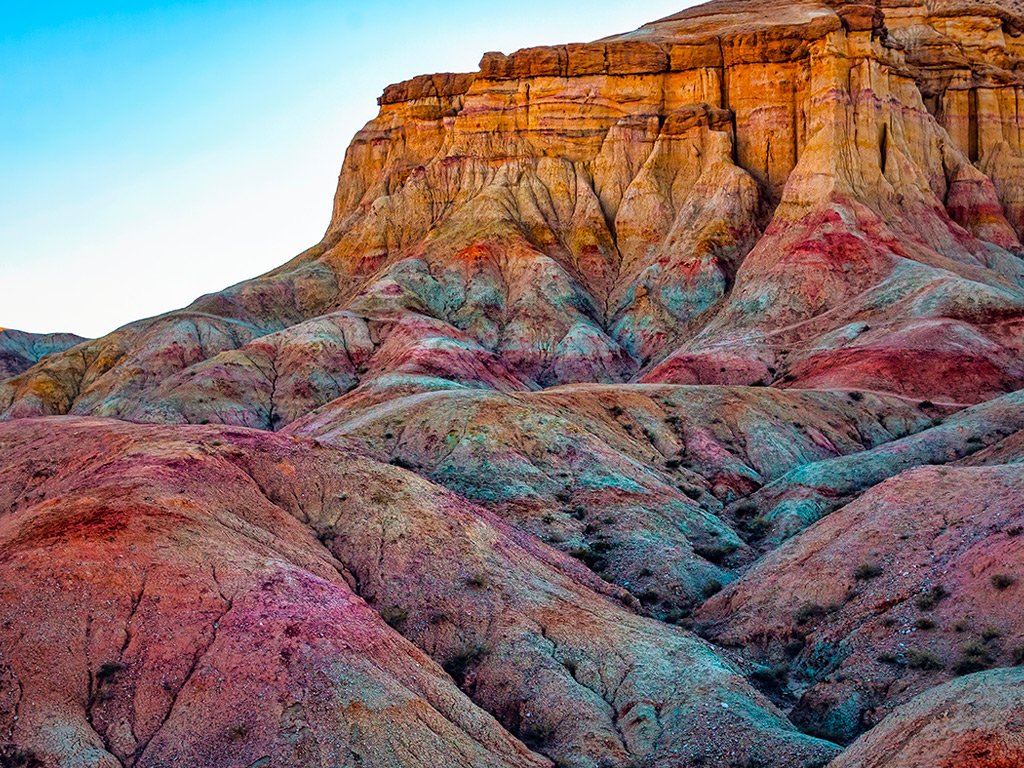
One of Tsagaan Suvarga's most fascinating features is its stunning variety of colors. The cliffs display beautiful layers of white, pink, orange, red, and brown, creating a spectacular natural palette that changes throughout the day as the sunlight shifts. During sunrise and sunset, the cliffs glow with warm golden and crimson hues, making Tsagaan Suvarga one of Mongolia's most breathtaking locations for landscape photography and sunset viewing.
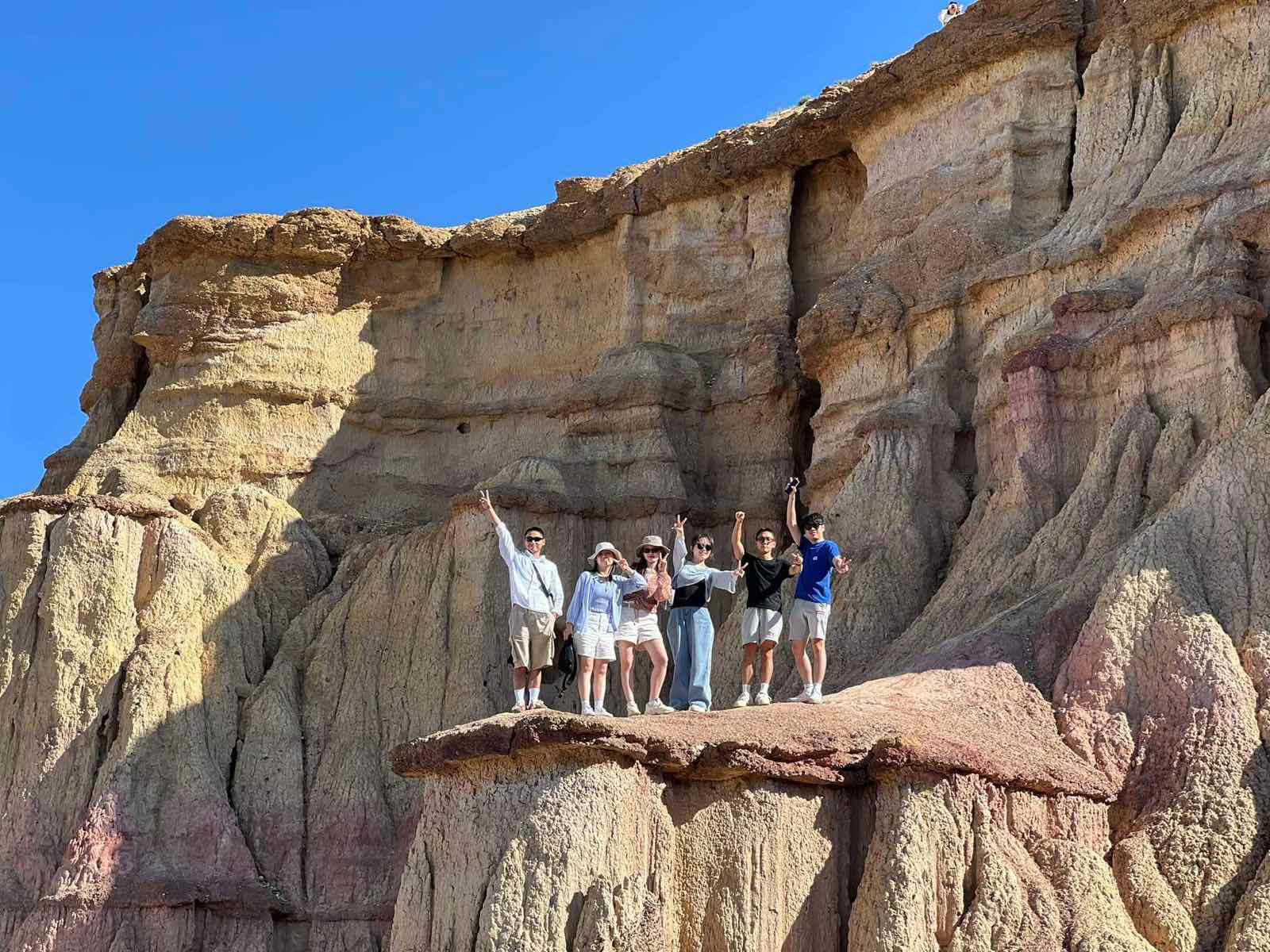
Visitors can descend into the canyon below to explore the impressive erosion formations up close or hike along the upper cliffs for panoramic views of the endless Gobi Desert and surrounding steppe. The dramatic scenery makes Tsagaan Suvarga a favorite destination for photographers, nature lovers, and travelers seeking one of Mongolia's most extraordinary geological wonders.
As night falls, the complete absence of light pollution transforms the area into a paradise for stargazing. Thousands of stars and the brilliant Milky Way illuminate the sky, creating a peaceful and unforgettable desert experience.
Why Visit Tsagaan Suvarga?
Tsagaan Suvarga is much more than a beautiful cliff—it is a natural geological museum shaped by millions of years of Earth's history. The colorful sedimentary layers reveal ancient environments that once existed beneath the sea, while the striking rock formations carved by wind and water showcase the incredible power of nature.
Thanks to its relatively gentle terrain, visitors of all ages can comfortably explore the area, whether hiking, taking photographs, enjoying the sunset, or simply admiring the breathtaking desert landscape.
Highlights
-
Magnificent white cliffs and unique erosion formations
-
Ancient sedimentary layers formed beneath a prehistoric sea
-
Marine fossils, including fossilized seashells
-
Beautiful multicolored rock strata
-
Spectacular sunrise and sunset viewpoints
-
Crystal-clear night skies filled with stars and the Milky Way
Recommended Activities
-
Hiking along the cliff tops
-
Walking through the canyon and exploring the rock formations
-
Watching the sunrise or sunset
-
Landscape and photography tours
-
Stargazing and Milky Way photography
-
Learning about geology and Mongolia's natural history
Rising majestically from the vast landscapes of the Gobi Desert, Tsagaan Suvarga (White Stupa) is one of Mongolia's most extraordinary natural masterpieces. Surrounded by endless steppe, colorful cliffs, and ancient geological formations shaped over millions of years, it offers visitors an unforgettable journey through the history of our planet and the timeless beauty of Mongolia's wilderness.
Explore our 6-night, 7-day South Mongolia Gobi Desert tour.