The Naadam Festival
The Naadam Festival
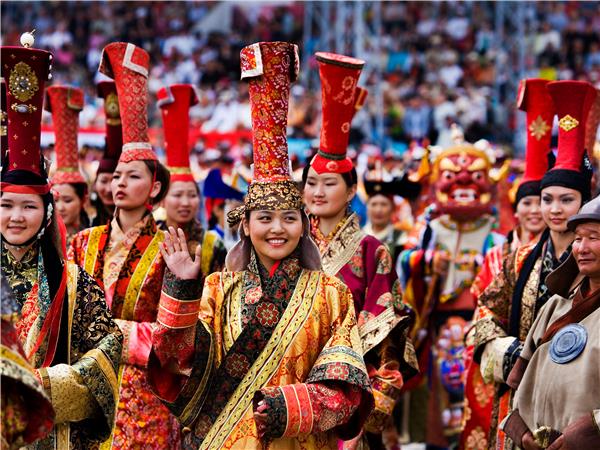
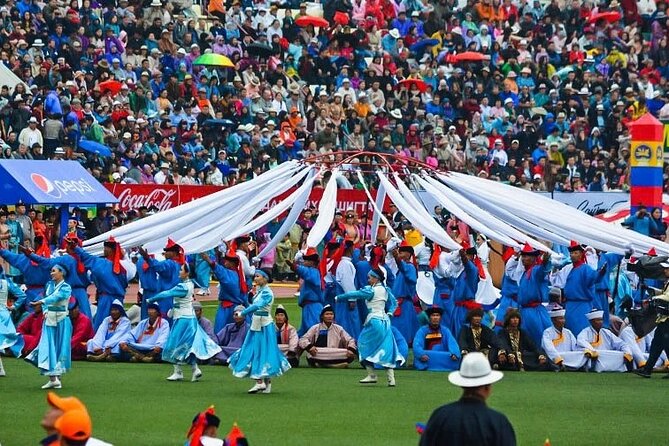
The Naadam Festival is Mongolia's largest and most celebrated traditional festival, held every year from July 11 to July 13 throughout the country. During these three days, Mongolia observes a national holiday, and Naadam celebrations take place not only in the capital city of Ulaanbaatar but also in every province (aimag) and district (soum). For Mongolians, Naadam is far more than a festival—it is a cherished cultural heritage that preserves the nation's history, nomadic traditions, and strong sense of national identity.
The word "Naadam" means games, festival, or celebration in Mongolian. Beyond its festive atmosphere, Naadam represents the spirit, history, and unity of the Mongolian people.
History of Naadam
The origins of the Naadam Festival date back more than 800 years to the 13th century during the era of the Mongol Empire. It is believed that Genghis Khan organized competitions in horse racing, archery, and wrestling to evaluate the strength, endurance, and military skills of his warriors before major campaigns.
Over time, these military competitions evolved into a national celebration enjoyed by people across Mongolia. Following the Mongolian People's Revolution of 1921, Naadam became an official national festival commemorating Mongolia's independence and has continued to grow into the country's most important cultural event.
Eriin Gurvan Naadam – The Three Manly Games
The highlight of Naadam is Mongolia's traditional Three Manly Games (Eriin Gurvan Naadam), consisting of:
-
Horse Racing
-
Mongolian Wrestling
-
Archery
Historically, these three disciplines represented the essential skills of Mongolian warriors. Today, they remain powerful symbols of Mongolia's rich cultural heritage and nomadic traditions.
① Traditional Mongolian Horse Racing
Horse racing is one of the most iconic events of the Naadam Festival and reflects the deep connection between Mongolians and their horses. In Mongolia, horses are considered trusted companions and an essential part of everyday life.
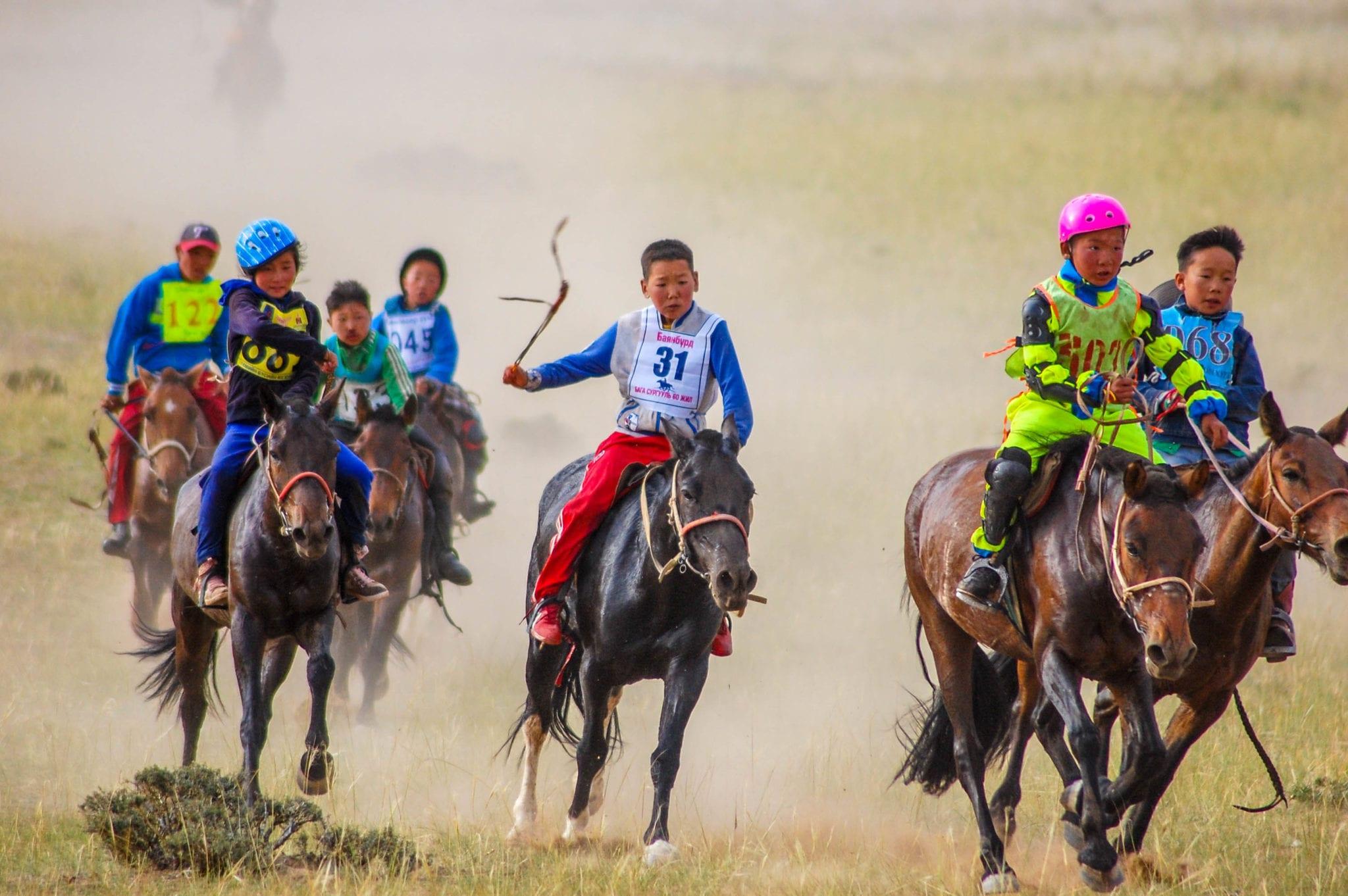
Unlike conventional racetrack racing, Naadam horse races take place across the vast Mongolian steppe over long-distance courses. Depending on the horses' ages, race distances vary and can exceed 30 kilometers.
One of the most unique features of Naadam horse racing is that the jockeys are primarily children, usually between 5 and 13 years old. Growing up riding horses from an early age is a natural part of Mongolia's nomadic lifestyle, making these young riders remarkably skilled.
As hundreds of horses gallop across the endless grasslands, spectators witness one of the festival's most breathtaking scenes. According to Mongolian tradition, not only the winning horse but even the horse that finishes last is believed to bring good fortune and blessings, and both receive recognition and celebration
 .
.
② Traditional Mongolian Wrestling
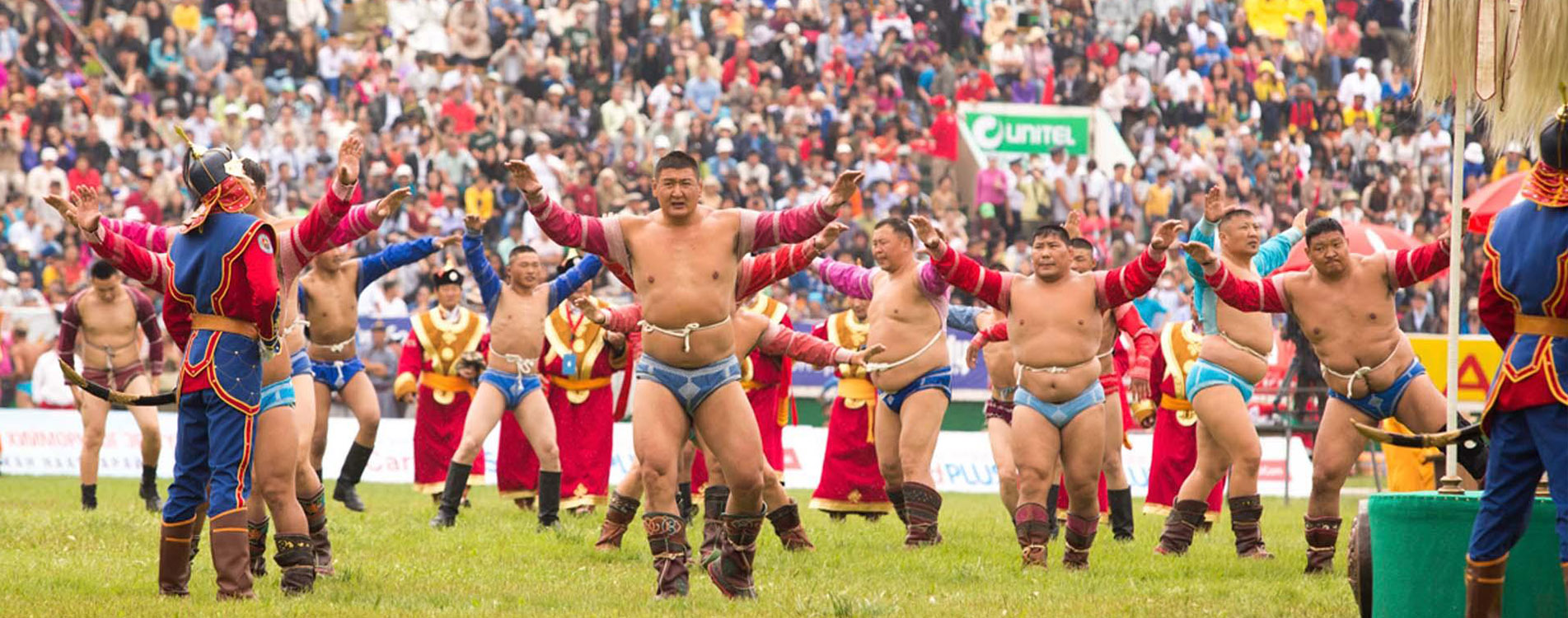
Mongolian wrestling is one of the most popular and prestigious events during Naadam, attracting thousands of enthusiastic spectators.
Unlike many modern wrestling competitions, there are no weight classes, and wrestlers compete in a knockout tournament. A wrestler loses when any part of the body other than the feet touches the ground, such as the hands, knees, or elbows.
Success in Mongolian wrestling depends not only on strength but also on balance, technique, strategy, and mental discipline.
Before and after each match, wrestlers perform the traditional Devekh Dance, inspired by the movements of an eagle or falcon. This ceremonial dance expresses respect and gratitude to the sky, the earth, the audience, the referees, and the opponent.
Outstanding wrestlers earn prestigious honorary titles such as Falcon, Elephant, Lion, and Titan, gaining great respect throughout Mongolia.
③ Traditional Archery
Archery played a vital role in the success of the Mongol Empire and remains one of Mongolia's most treasured traditional sports.
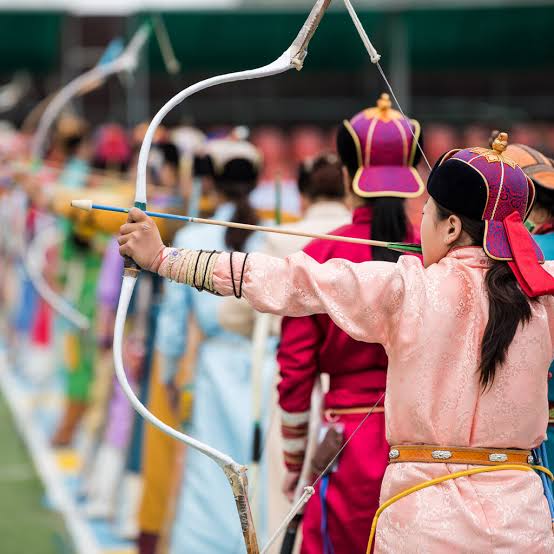
Today, men and women of all ages participate in Naadam archery competitions. Dressed in colorful traditional clothing, competitors use traditional bows and arrows to shoot at small targets placed at considerable distances.
Typically, men shoot from approximately 75 meters, while women compete from around 60 meters, requiring exceptional precision, concentration, and skill.
Whenever an archer successfully hits the target, judges announce the achievement with traditional chants, creating a unique atmosphere that reflects Mongolia's rich cultural heritage.
Archery is regarded not only as a sporting competition but also as a living symbol of Mongolia's history, traditions, and national spirit.
Opening Ceremony
The Naadam Festival officially begins with a spectacular opening ceremony held at the National Sports Stadium in Ulaanbaatar.
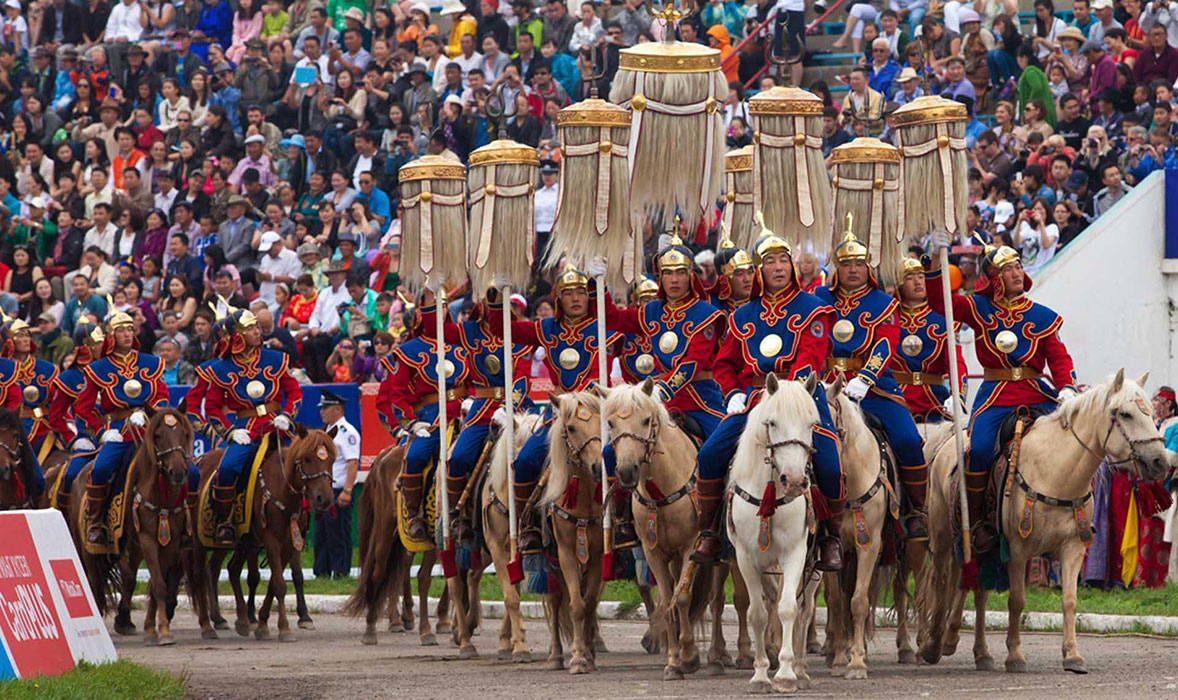
The ceremony starts with military bands and traditional mounted guards entering the stadium, followed by the President of Mongolia declaring the festival officially open.
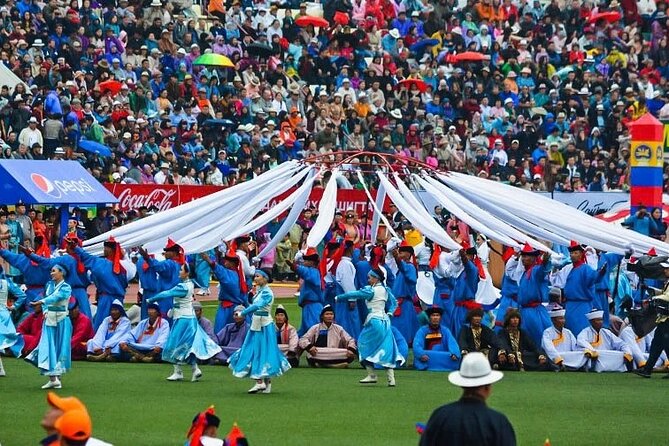
One of the most symbolic moments is the procession of the Nine White Banners, one of Mongolia's most sacred national symbols representing peace, unity, and state authority.
Hundreds of performers then present magnificent performances featuring traditional music, dance, and historical reenactments that showcase Mongolia's rich nomadic culture and proud history.
The opening ceremony is considered one of the country's grandest cultural performances and is a major attraction for international visitors.
Cultural Experiences
Beyond the sporting competitions, Naadam offers visitors a wide variety of cultural experiences.
Festival grounds are filled with traditional Ger (Yurt) villages, where visitors can experience the authentic nomadic lifestyle, try on traditional Deel clothing, and learn about Mongolia's unique customs.
Guests can also enjoy traditional Mongolian cuisine, including Khorkhog (stone-cooked mutton), Buuz (steamed dumplings), Khuushuur (fried meat pastries), and Airag (fermented mare's milk).
Throughout the festival, visitors can watch performances of traditional music, throat singing, Morin Khuur (Horsehead Fiddle) concerts, folk dances, acrobatics, and other cultural performances that create an unforgettable festive atmosphere.

Closing Ceremony
The festival concludes after three exciting days with an official closing ceremony honoring the winners of each competition.
Champions receive prestigious titles, medals, and awards, followed by celebratory performances and a spectacular fireworks display.
The closing ceremony symbolizes not only the end of the festival but also wishes for prosperity, peace, and good fortune in the coming year.
The Significance of Naadam
Naadam is much more than a sporting event.
For Mongolians, it is a celebration of national identity, a tribute to their ancestors, and a way of preserving centuries-old nomadic traditions. For international visitors, it offers one of the most authentic opportunities to experience Mongolia's unique history, culture, and way of life.
In 2009, Naadam was inscribed on the Representative List of the Intangible Cultural Heritage of Humanity by UNESCO, recognizing its outstanding cultural value and global significance.
Today, Naadam stands as the greatest symbol of Mongolian culture, where ancient traditions blend harmoniously with modern celebrations. Every year, thousands of travelers from around the world visit Mongolia to witness this extraordinary festival.
From the thunder of galloping horses across the endless steppe to the strength of wrestling champions, the precision of skilled archers, and the warm hospitality of Mongolia's nomadic people, the Naadam Festival offers an unforgettable experience that captures the true spirit of Mongolia.